
Muni University Advances Female STEM Education Through Leaders in Teaching Uganda Program Partnership
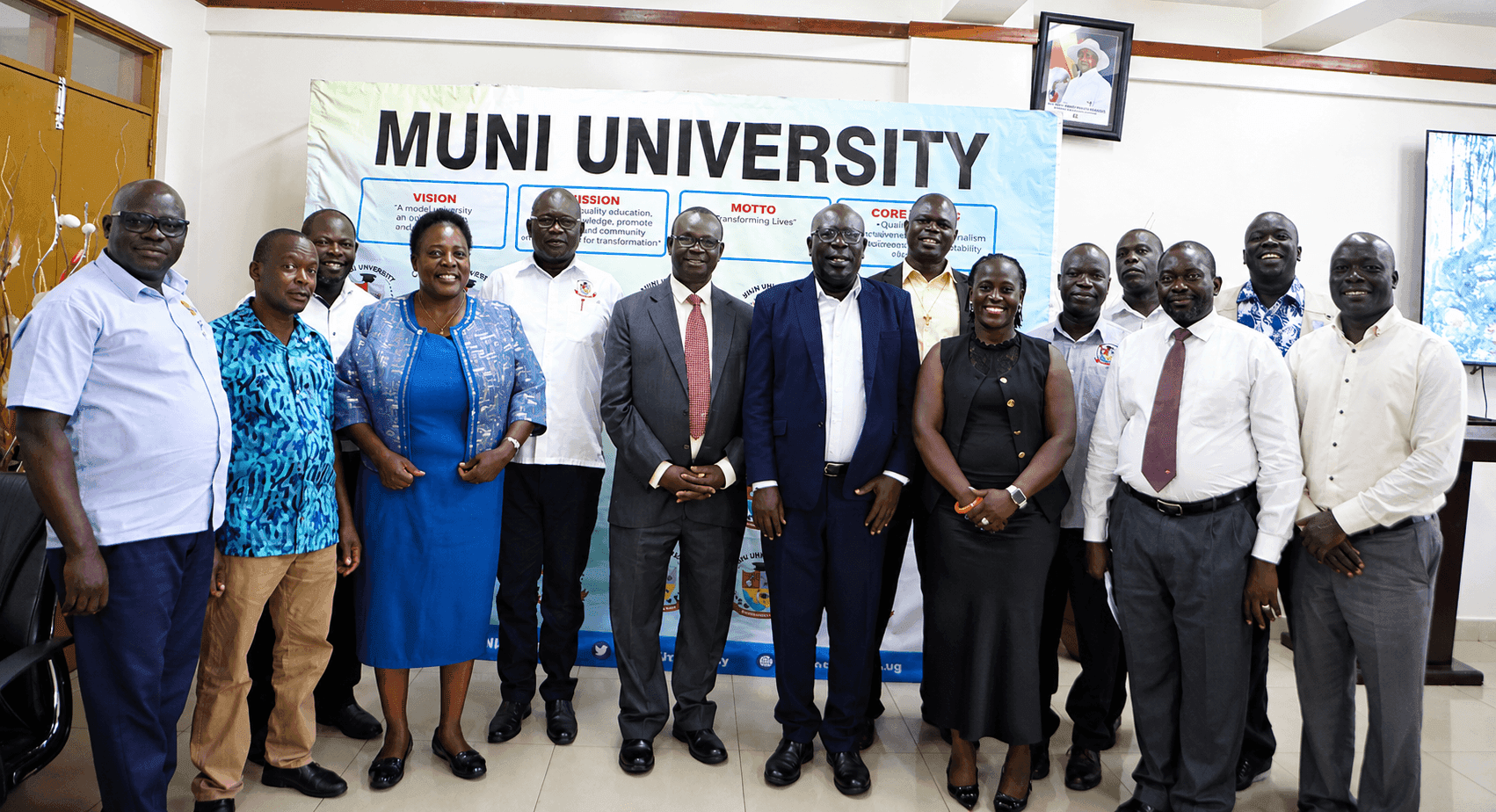
Muni University Advances Female STEM Education Through Leaders in Teaching Uganda Program Partnership | Photo: Muni University
Arua, Uganda —For many young women in Uganda, particularly those from vulnerable and disadvantaged communities, the journey from secondary school to university remains affected by financial, social and structural barriers. While Uganda has made significant progress in expanding access to education over the years, evidence from national and international research continues to show that many girls face challenges in completing school, transitioning to higher education and pursuing Science, Technology, Engineering and Mathematics (STEM)-related fields.
The World Bank’s Uganda Economic Update (2017), titled “Accelerating Uganda’s Development: Ending Child Marriage, Educating Girls,” highlighted that child marriage and early childbearing remain among the major barriers affecting girls’ education and future opportunities. The report noted that a significant proportion of Ugandan girls enter marriage or motherhood before adulthood, circumstances that often interrupt their education, reduce their chances of completing secondary school and limit their participation in further education and skills development.
The World Bank’s Uganda Economic Update (2020), titled “Uganda Can Benefit from the Demographic Dividend by Investing More in Education and Health,” further emphasised that investment in education and human capital development is central to Uganda’s social and economic transformation. The report highlighted that improving access to quality education and skills development is essential for young people to reach their full potential, increase productivity and enable Uganda to benefit from its growing youthful population.
Similarly, UNICEF Uganda education and gender analyses (2021–2025) have continued to highlight persistent challenges affecting girls’ educational progression, including household poverty, education-related costs, adolescent pregnancy, gender inequalities and social norms that influence decisions about girls’ schooling. These barriers are particularly significant among vulnerable groups, including girls from low-income households, rural communities, refugee populations and those facing disability-related challenges.
The UNESCO Global Education Monitoring (GEM) Gender Report (2025) further emphasised that although many countries, including Uganda, have made progress towards improving gender equality in education, inequalities continue to affect learners’ transition and participation at secondary and tertiary levels. The report calls for targeted interventions that strengthen inclusive education systems, improve learning environments and ensure that all learners have equal opportunities to succeed.
Research from peer-reviewed studies on education in Uganda, including studies examining West Nile and refugee-hosting communities, has also highlighted the complex challenges affecting access to and completion of education. These studies point to the combined effects of poverty, limited educational resources, teacher shortages, displacement, household vulnerability and social pressures as factors that can negatively affect girls’ participation and retention in education.
The situation is particularly important in the West Nile sub-region, where communities continue to experience historical educational inequalities alongside the additional pressures associated with hosting large refugee populations. Strengthening teacher capacity, expanding access to quality education and creating inclusive opportunities for vulnerable learners remain critical priorities for improving education outcomes in the region.
It is against this background that the Leaders in Teaching Uganda Program, a five-year Mastercard Foundation initiative, is investing in the next generation of female STEM teachers through scholarship opportunities for Bachelor of Science with Education (BSc-Ed) students across different universities in Uganda. At Muni University, the program will support about 15 female STEM students admitted during the 2026/2027 intake.
By supporting young women to access quality STEM teacher education, the Leaders in Teaching Program seeks to increase the number of qualified female STEM teachers and establish role models for girls in secondary schools, especially in rural areas. The presence of these teachers will inspire young girls to pursue STEM subjects and other STEM-related courses.
In total, the Leaders in Teaching Program, which is implemented in a consortium of 10 partners; Luigi Giussani Foundation (LGF), UNICEF, British Council, VVOB – education for development, Edukans International Uganda, Brainwave Careers Uganda, STiR Education, Promoting Equality in African Schools (PEAS) Uganda, Teach For Uganda, and the Forum for Education NGOs in Uganda (FENU), is providing 400 scholarships for female students pursuing a Bachelor of Science with Education (BSc-Ed) during the 2026/2027 academic year. This initiative seeks to empower young women, including Ugandan citizens, female refugees and women with disabilities, by creating pathways into STEM teacher education while addressing the shortage of qualified science teachers in Uganda's secondary education system.
The Leaders in Teaching Program partnership positions Muni University as one of Uganda's strategic teacher education institutions contributing to national efforts to improve teaching quality, promote gender inclusion and strengthen human capital development.
Muni University has been recognised as one of Northern Uganda's strategic universities with strong capacity in teacher education, STEM training and innovative approaches to learning.
According to Mr. Emmanuel Adengo, Consortium Manager for Leaders in Teaching Uganda, universities on the program, were carefully selected based on their strength in teacher preparation, STEM capacity and ability to support modern approaches to education, including digital and online learning.
"Muni University and Gulu University represent strategic institutions in Northern Uganda because of their capacity in teacher education and STEM development," Mr. Adengo said.
The Leaders in Teaching Uganda Program is expected to contribute to improving teaching and learning across 2,091 targeted secondary schools in Uganda. The scholarship component of the program target female students aged 18–35 years who have secured admission to pursue a Bachelor of Science with Education (BSc-Ed) for the 2026/2017 Academic Year..
Eligible applicants include:
- Female Ugandan citizens;
- Female refugees residing in Uganda;
- Young women with disabilities;
- In-service Mathematics teachers seeking to upgrade to a Bachelor of Science with Education degree.
Applicants must demonstrate genuine financial need, academic commitment and a strong desire to pursue a career in secondary school teaching.
The scholarship supports STEM subject combinations including:
- Biology;
- Chemistry;
- Physics;
- Mathematics;
- Agriculture;
- ICT/Computer Studies.
No fees are charged at any stage of the scholarship process, including application, processing, verification, selection or award.
The application deadline has been extended to 31 July 2026, providing additional opportunity for eligible applicants, particularly prospective Muni University students, to benefit from the programme.
Successful scholarship beneficiaries will receive comprehensive support covering:
- Tuition fees;
- Functional fees;
- Accommodation;
- Transport support;
- A laptop computer.
Upon completion of their studies, beneficiaries will be required to serve in Uganda's teaching profession for a minimum period of two years, ensuring that the investment contributes directly to strengthening STEM education across the country.
The programme is implemented under the strategic leadership and oversight of the Ministry of Education and Sports and is designed around four key pillars:
- Teacher recruitment;
- Teacher training;
- School leadership;
- Teacher motivation;
Beyond scholarships, the initiative supports curriculum improvement, research, teacher leadership development, psychosocial support and evidence-based education reforms.
The British Council leads the pre-service teacher training component, VVOB supports school leadership, while STiR Education supports motivation and professional development, among others.
The Vice Chancellor of Muni University, Associate Professor Simon Anguma Katrini, welcomed the partnership, describing it as a timely intervention that responds to some of the long-standing educational challenges affecting the West Nile region.
He noted that West Nile continues to face challenges related to educational performance, poverty levels and social factors that affect girls' ability to progress through the education system.
"This partnership comes at the right time for the people of West Nile. Many talented young women continue to face barriers that limit their access to higher education. By investing in female STEM teacher education, this programme is not only transforming individual lives but also strengthening families, communities and Uganda's future education workforce. Muni University is proud to contribute to this national effort of building a more inclusive and skilled teaching profession."
Prof. Dennis Atibuni, Senior Lecturer in the Faculty of Education at Muni University, commended the partnership, highlighting its importance beyond financial support.
He noted that the programme's focus on psychosocial support, mental health, teacher motivation and curriculum improvement aligns with ongoing reforms under Uganda's Competency-Based Curriculum.
"We appreciate this partnership because it addresses the broader needs of teacher education. As Muni University continues reviewing and strengthening its curriculum, collaboration with these stakeholders will support curriculum improvement and ensure that future teachers are prepared not only academically but also socially and emotionally to serve in schools."
Prof. Atibuni further emphasised the importance of ensuring equitable access to the scholarship opportunity and strengthening support systems for teachers after graduation.
The Deputy Vice Chancellor (Finance and Administration), Rev. Fr. Prof. Epiphany Odubuker Picho, reaffirmed Muni University's commitment to ensuring successful implementation of the programme.
He encouraged the Faculty of Education and relevant university offices to provide timely information, guidance and support to eligible students throughout the application process.
The Dean of the Faculty of Education, Dr. Beatrice Sesanga Batte, emphasised the importance of career guidance and promoting teaching as a transformative profession.
She noted that creating opportunities for young women to become STEM teachers would have a multiplier effect by inspiring future generations of learners.
As Uganda continues investing in science and technology education, Muni University's participation in the Leaders in Teaching Uganda Programme reinforces its commitment to:
- Quality teacher education;
- STEM innovation;
- Gender inclusion;
- Research-informed education;
- National human capital development.
Through this partnership, Muni University continues to strengthen its role as a regional hub for education transformation, producing skilled teachers who will contribute to Uganda's social and economic development.
Eligible applicants are encouraged to submit their scholarship applications before 31 July 2026.
Muni University — Advancing Education. Transforming Research. Empowering Communities. Connecting Globally.