
Muni University Champions Peaceful 2026 Elections as West Nile Leaders Unite to Restore Public Trust and Democratic Integrity.
Muni University Champions Peaceful 2026 Elections as West Nile Leaders Unite to Restore Public Trust and Democratic Integrity. | Photo: Muni University
Muni University has reaffirmed its position as a leading academic voice for peace and democratic engagement after participating in a major regional dialogue on peaceful elections, held at Hunters Nest Hotel in Arua.
The dialogue was organized by the West Nile Regional Civil Society Network (WNRCSN) and brought together a distinguished group of key actors including human rights organizations, senior police officers, judicial officers, political leaders, cultural and religious institutions, and other respected citizens. The discussions focused on practical measures to ensure peaceful, credible and non-violent elections ahead of Uganda’s January 2026 General Elections.
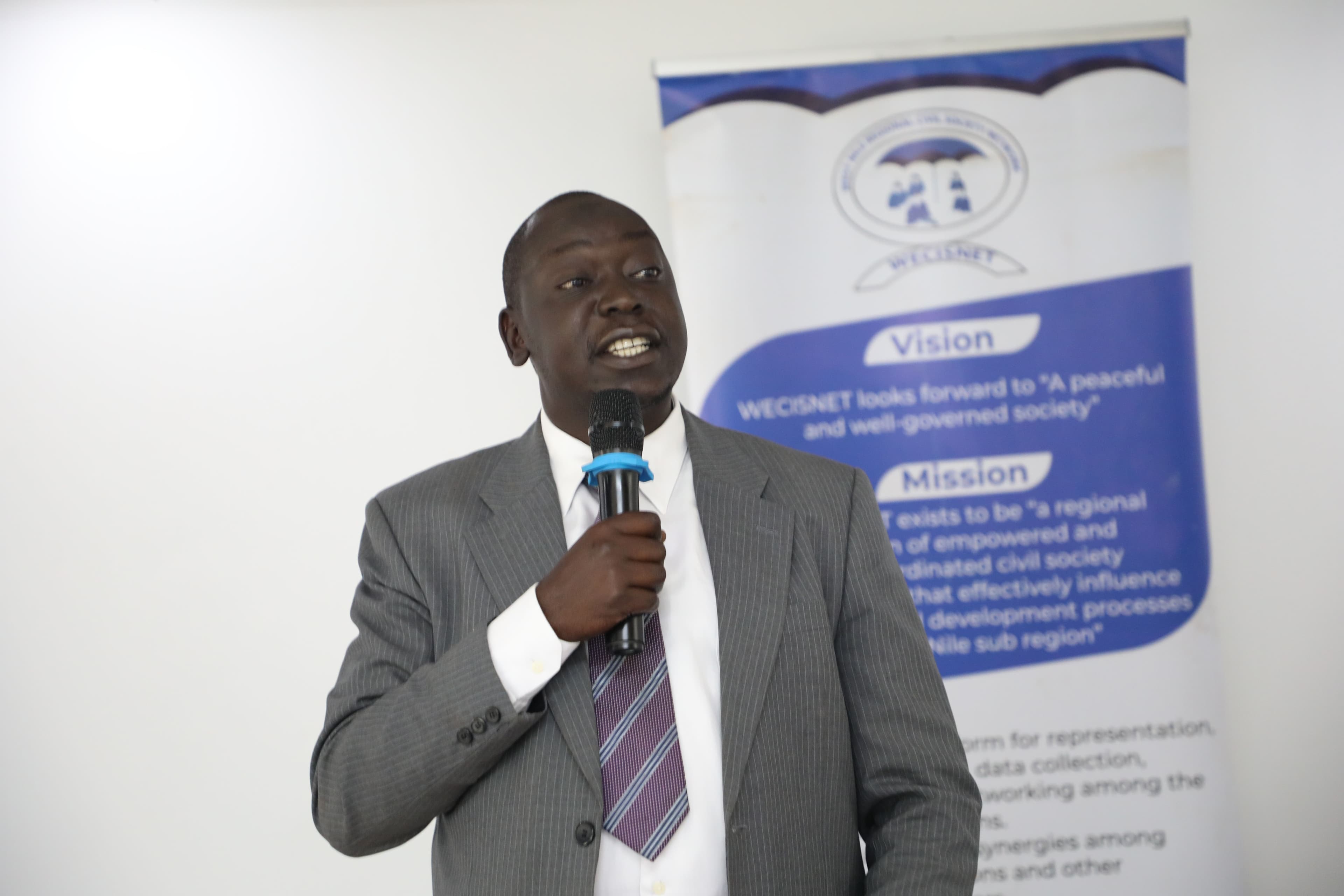
Representing Muni University, the Chief Human Resource Officer, Mr Wahid Abdul Ijosiga, served as one of the principal discussants and delivered a powerful message on the University’s commitment to national peacebuilding.
“At Muni University, we are dedicated to building a culture of peace and non-violence,” Mr Wahid said. “Elections represent hope because they give citizens the power to define their future. That future can only be protected when we build trust, uphold integrity and sustain meaningful dialogue.”
He emphasized that sustainable peace requires collective responsibility across cultural leaders, religious institutions, political actors, the media and the general public. Mr Wahid added that when citizens feel valued, and not used merely as voting tools, they participate more actively which strengthens governance, education and development.
In his address, Hon Okuonzi Alfred, the LC5 Chairperson of Arua District, raised deep concerns over declining public confidence in the electoral process.
He observed that some citizens continue to blame past issues on human error, while others have lost enthusiasm for voting. Some have said they may not vote at all or will vote only for the presidency.
“Public confidence is weakening,” Hon Okuonzi said. “Someone will win and someone will lose. The real question is how we reintegrate those who feel defeated. We need clear information portals, stronger social media sensitization, active stakeholder engagement and intercultural collaboration so that we speak one language as a nation.”
He stressed the role of media freedom in promoting peaceful elections and cautioned journalists to remain balanced and avoid being used to damage the reputation of political actors. He also condemned the growing commercialization of elections, saying that money should not spoil the country’s politics.
The dialogue also highlighted concerns about the manipulation and intimidation of youth groups during election periods. Stakeholders warned that such practices weaken the productivity of young people and reduce their contribution to national development. The meeting called for stronger civic education to encourage youth participation and promote accountability among leaders.
The event concluded with a unified commitment to rebuild public trust, promote issue based politics and strengthen peaceful coexistence as the country approaches the 2026 polls.
Through its strong representation at the WNRCSN organised dialogue, Muni University once again demonstrated its leadership in civic engagement, democratic education and peacebuilding across West Nile and Uganda.